Magento Ecommerce Developers: Ensuring PCI Compliance for Enterprise Security sets the stage for this enthralling narrative, offering readers a glimpse into a story that is rich in detail with a focus on security measures for enterprise-level ecommerce platforms.
As we delve deeper into the intricacies of PCI compliance and the role of Magento developers, a clearer picture emerges of the critical steps required to safeguard sensitive data and ensure a secure online shopping experience for customers.
Overview of PCI Compliance for Ecommerce
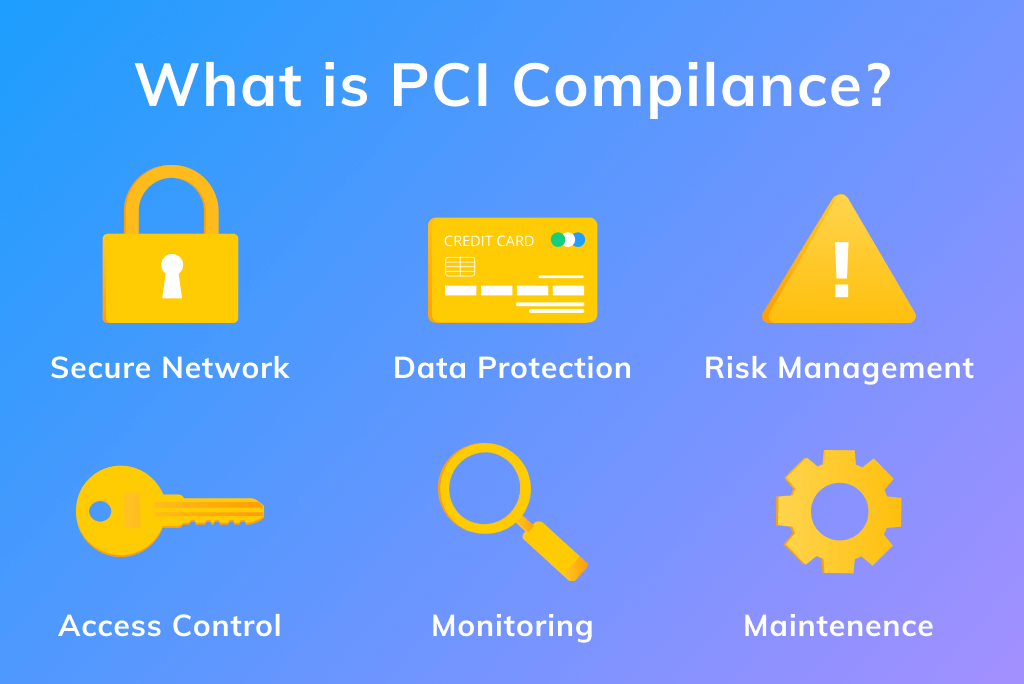
PCI compliance is essential for ensuring the security of enterprise ecommerce platforms. It refers to the Payment Card Industry Data Security Standard (PCI DSS), which sets out requirements for securely processing, storing, and transmitting credit card information.
Key Requirements of PCI DSS for Magento Ecommerce Developers
- Use a secure network and systems to protect cardholder data.
- Maintain a vulnerability management program.
- Implement strong access control measures.
- Regularly monitor and test networks.
- Maintain an information security policy.
Consequences of Non-Compliance with PCI Standards
- Financial penalties and fines imposed by payment card brands.
- Loss of customer trust and reputation damage.
- Potential data breaches leading to legal action and lawsuits.
- Suspension of ability to accept credit card payments.
Understanding Magento Ecommerce Development
Magento is a popular ecommerce platform known for its flexibility, scalability, and robust features. It offers a wide range of tools and functionalities that allow businesses to create customized online stores tailored to their specific needs.
Role of Developers in Ensuring Magento Site Security
Developers play a crucial role in ensuring the security of Magento ecommerce websites. They are responsible for implementing best practices, following coding standards, and staying up-to-date with security patches and updates.
Common Security Vulnerabilities in Magento Ecommerce Websites
- SQL Injection: Attackers can manipulate SQL queries to gain unauthorized access to the database, potentially exposing sensitive customer information.
- Cross-Site Scripting (XSS): This vulnerability allows attackers to inject malicious scripts into web pages viewed by other users, leading to potential data theft or unauthorized actions.
- Brute Force Attacks: Hackers attempt to gain access to the admin panel by repeatedly trying different username and password combinations until they find the correct one.
- Outdated Software: Failure to update Magento and its extensions regularly can leave websites vulnerable to known security flaws that have been patched in newer versions.
- Insecure File Uploads: Allowing users to upload files without proper validation can lead to the execution of malicious scripts on the server.
Implementing Secure Payment Processing
 When it comes to Magento Ecommerce development, ensuring secure payment processing is crucial for maintaining PCI compliance and protecting sensitive customer data. By following best practices and integrating PCI-compliant payment gateways, developers can enhance the security of payment transactions and build trust with customers.
Integrating PCI-Compliant Payment Gateways
- Choose reputable payment gateways that are PCI DSS compliant to ensure the secure transmission of payment data.
- Implement secure tokenization methods to replace sensitive cardholder data with a unique identifier, reducing the risk of data breaches.
- Regularly update payment gateway integrations to patch any vulnerabilities and maintain compliance with the latest security standards.
Encryption Methods to Secure Payment Data
- Utilize strong encryption algorithms like AES (Advanced Encryption Standard) to protect payment data both in transit and at rest.
- Implement SSL/TLS protocols to establish secure connections between the customer's browser and the payment gateway, ensuring data confidentiality.
- Regularly monitor and audit encryption processes to identify any weaknesses or potential security gaps that could compromise payment data.
Securing Customer Data
Utilizing Data Encryption and Tokenization
When it comes to securing customer data on Magento websites, data encryption and tokenization play a vital role in ensuring confidentiality and integrity. Data encryption involves encoding sensitive information in a way that only authorized parties can access it, adding an extra layer of protection against unauthorized access.Data encryption helps in safeguarding customer data by scrambling it into a format that is indecipherable without the proper decryption key.Tokenization, on the other hand, replaces sensitive data with unique tokens that have no exploitable value, making it impossible for cybercriminals to intercept and misuse customer information. By implementing tokenization, developers can minimize the risk of data theft and enhance the overall security of the ecommerce platform.
Implementing Secure Data Storage Practices
Developers can enhance the security of customer data by implementing secure data storage practices that adhere to industry standards and best practices. This includes storing sensitive information in encrypted databases, utilizing secure protocols for data transmission, and regularly updating security measures to protect against emerging threats.- Utilize strong encryption algorithms to protect customer data at rest and in transit.
- Implement multi-factor authentication to verify the identity of users accessing sensitive information.
- Regularly audit and monitor access to customer data to detect any suspicious activities or unauthorized access attempts.
- Adopt a secure development lifecycle approach to ensure that security measures are integrated into the development process from the outset.
Regular Security Audits and Monitoring
Regular security audits are crucial for maintaining PCI compliance in Magento Ecommerce development. These audits help identify vulnerabilities, assess risks, and ensure that security measures are up to date. Developers must establish monitoring systems to detect and respond to security breaches in a timely manner.Setting Up Monitoring Systems
Developers can set up monitoring systems by implementing intrusion detection tools, log monitoring solutions, and network scanning software. These tools help track and analyze system activities, detect unauthorized access or changes, and alert administrators to potential security threats.- Utilize intrusion detection systems to monitor network traffic and detect suspicious activities.
- Implement log monitoring solutions to track user activities, system events, and security incidents.
- Use network scanning software to identify vulnerabilities in the network infrastructure and address them promptly.
Conducting Vulnerability Assessments and Penetration Testing
Vulnerability assessments involve identifying weaknesses in the system, applications, or network infrastructure that could be exploited by attackers. Penetration testing, on the other hand, simulates real-world cyber attacks to evaluate the effectiveness of security controls and identify potential entry points for hackers.- Regularly conduct vulnerability assessments to identify and remediate security vulnerabilities.
- Perform penetration testing to assess the resilience of the system against sophisticated cyber attacks.
- Collaborate with security experts to conduct in-depth assessments and testing to ensure comprehensive security coverage.
Closing Summary
In conclusion, Magento Ecommerce Developers play a pivotal role in upholding PCI compliance standards, providing a secure environment for online transactions and protecting valuable customer information. By implementing best practices, regular audits, and staying abreast of emerging threats, developers can fortify ecommerce websites against potential security breaches, fostering trust and confidence among users.
FAQ Guide
What are the key requirements of PCI DSS for Magento ecommerce developers?
PCI DSS requirements for Magento developers include implementing secure network configurations, protecting cardholder data, regular monitoring and testing of networks, and maintaining information security policies.
How can developers integrate PCI-compliant payment gateways in Magento?
Developers can integrate PCI-compliant payment gateways in Magento by ensuring that the gateways meet PCI DSS requirements, utilizing secure encryption protocols, and following best practices for secure payment processing.
Why is regular security auditing important for PCI compliance?
Regular security audits help ensure ongoing compliance with PCI standards, identify potential vulnerabilities or weaknesses in security measures, and demonstrate a commitment to maintaining a secure ecommerce environment.

![BigCommerce SEO Guide. Everything You Need to Know [2025]](https://ecommerce.kbeonline.id/wp-content/uploads/2026/03/bigcommerce-350x250.png)